How to Tell if Your Home Needs an Electrical Panel Upgrade
Introduction
Modern appliances, home offices, and electric vehicle chargers bring convenience but also increase the demand on your home’s electrical system. Many Arkansas homeowners are noticing warning signs that signal their electrical panels may be struggling to keep up. This guide uncovers the key indicators, risks, and steps you should take to ensure your home’s electrical system is safe, efficient, and future-ready.
The Hidden Language of Flickering Lights and Tripped Breakers
Occasional dimming when a large appliance turns on is normal, but persistent flickering lights or frequently tripped breakers signal trouble. These issues often arise when modern appliances—such as double ovens, heat pumps, or EV chargers—demand more power than your panel can safely deliver. Overloaded circuits can cause wires to overheat, voltage to drop, and breakers to trip repeatedly to prevent further damage.
Many older Arkansas homes still operate with 60–100 amp fuse boxes, which were sufficient decades ago but now struggle with today’s higher demands. Recent data shows that modern homes require about 50% more electrical capacity than they did 15 years ago. Hot, humid Arkansas summers further stress HVAC systems, increasing “nuisance trips” from Batesville to surrounding areas.
If You Notice These Issues:
- Unplug portable heaters or window units from shared circuits.
- Check for loose bulbs or worn cords.
- Touch outlets and switch plates; if they feel hot, turn off the power at the panel immediately.
If the same breaker trips more than once a month, call a professional. DyeHard Electric uses thermal imaging and load calculations to pinpoint overloads and recommends targeted repairs or full panel replacement when needed.
Outdated Panels, Fuse Boxes, and the Dangers They Hide
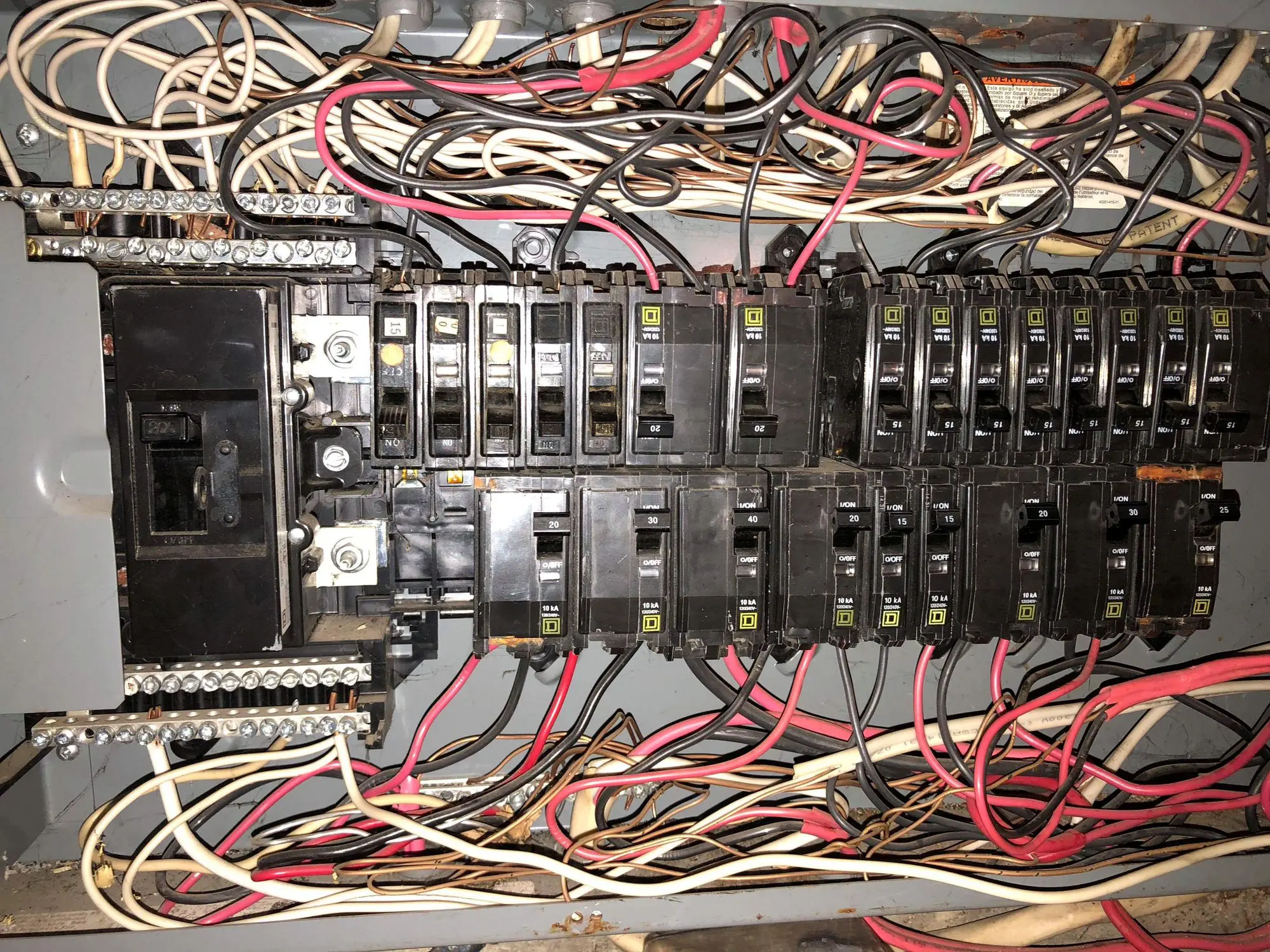
That gray metal box in your closet may seem harmless, but outdated panels pose real hazards. An old panel can fail to trip during a short circuit, creating a significant fire risk. It may also lack modern arc-fault and ground-fault protection, increasing the likelihood of electrical accidents. Furthermore, non-compliance with current codes can result in denied insurance claims or failed home inspections.
Watch for These Signs That an Electrical Panel Needs an Upgrade:
- A burning smell or scorch marks on the panel.
- Rust, moisture, or white corrosion on bus bars.
- Frequently blown fuses, especially in older homes.
Rural properties may face water intrusion from long service drops, while urban homes may experience voltage fluctuations from shared transformers. Schedule regular inspections every three to five years, or sooner for homes built before 1990, to catch problems early.
DyeHard Electric’s team, experienced with the national electrical code, provides thorough assessments and same-day replacements. For a quick self-check, open your panel and look for an amperage rating; if it is under 150 amps, it is likely insufficient for modern needs.
Modern Living and the Need for Greater Electrical Capacity
Today’s homes feature smart fridges, home theaters, and electric vehicles, all of which demand more power. A 200-amp service upgrade is now the standard for new Arkansas homes, providing capacity for:
- Electric ranges
- Electric water heaters
The Upgrade Process Typically Includes:
- Load calculation and permit application.
- Utility coordination to safely de-energize lines.
- Breaker box upgrade to a 200-amp panel with copper grounding.
- Inspection and power restoration, often within a single day.
Failing to upgrade can lead to overheated feeders and voltage drops that reduce appliance lifespans. Upgrading ensures consistent HVAC performance and can significantly increase your home’s resale value.
When Code Compliance and Safety Become Urgent Priorities
Operating with an outdated electrical system is not just risky. Arkansas enforces the 2023 National Electrical Code (NEC), which requires GFCI protection in basements and surge protection on all new panels. Non-compliance can void insurance claims after a fire, derail real estate transactions, and increase upgrade costs—especially as the NEC 2026 code is set to raise prices by 10–30% due to new safety requirements
Immediate warning signs, such as sizzling sounds, lights brightening when appliances start, or breakers that will not reset, should be treated as emergencies. DyeHard Electric’s emergency crew is ready to respond.
Choosing Expertise for Your Home’s Electrical Future
Upgrading an electrical panel is not a DIY job. When choosing a contractor, Arkansas homeowners should ask:
- Are your electricians licensed and insured for residential panel replacement?
- Do you manage permits and utility shut-offs?
- How do you calculate capacity for EV chargers and solar?
- What warranty covers upgrade parts and labor?
DyeHard Electric Stands Out for:
- Local code expertise in Batesville, Newport, and Searcy.
- In-house permit and utility coordination.
- Same-day emergency repairs.
- A preventive focus using load monitoring and thermal scans.
Empower Your Home With a Safer, Smarter Electrical Panel
Flickering lights, hot outlets, or a burning smell from your panel are urgent warnings. An electrical panel upgrade addresses capacity issues, reduces hazards, and ensures code compliance before new rules increase costs. Take the next step toward a safer, more reliable home. Visit our [Panel Upgrades] page today.